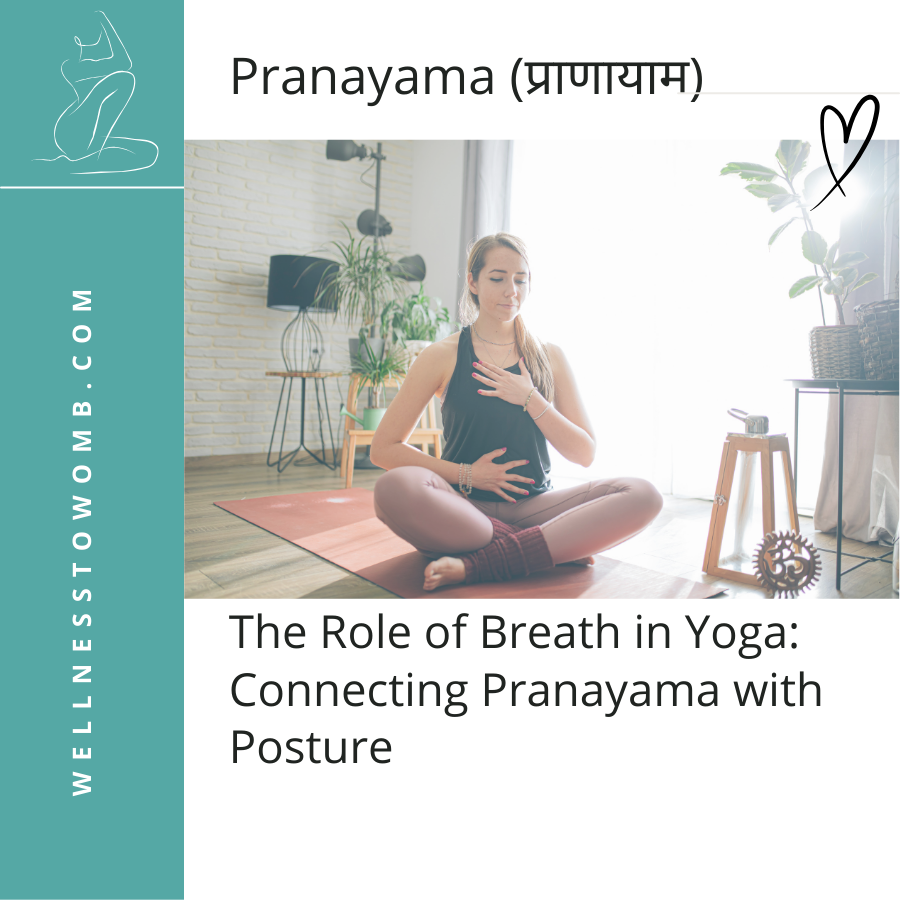
Pranayama: The Role of Breath in Yoga and Connecting with Posture
Suzanne Lawson | NOV 22, 2025
pranayama
breathwork
yoga breath
breath and posture
breath awareness
yoga practice
mindful breathing
hormonal health
stress relief
energy flow
yoga for women
respiratory health
yoga for balance
breath and movement
pranayama for hormonal health
Breath is life. It’s the first thing we do when we are born, and the last thing we do when we pass. In yoga, the practice of pranayama, or breath control, is a fundamental tool for connecting the mind, body, and spirit. It plays a vital role in the way we move, how we hold poses, and how we bring awareness to our bodies. In this post, we’ll explore how pranayama enhances our yoga practice, its connection to posture, and how it can support women's hormonal health.
What is Pranayama?
Pranayama is a Sanskrit term that comes from two words: "prana," meaning life force or vital energy, and "ayama," meaning control or extension. Essentially, pranayama is the practice of controlling the breath to increase the flow of vital energy within the body. In yoga, the breath is considered the link between the mind and body, and mastering it can lead to greater physical, emotional, and spiritual harmony.
In the context of yoga, pranayama is not just about breathing; it’s about controlling the breath to direct energy (prana) to specific areas of the body, often aligning it with movement and posture.
The Role of Breath in Yoga
Breath serves as a guide in yoga practice. It helps to cultivate mindfulness, bringing our focus into the present moment. By syncing the breath with movement, we create a deeper connection to the body, making our practice more intentional and effective.
When we connect our breath to our postures, we allow our bodies to move with greater ease, reduce tension, and avoid strain. This is particularly important for women, especially when dealing with menstrual discomfort, hormonal fluctuations, or emotional stress. Breath awareness enhances the flow of energy and promotes relaxation, which can support hormonal balance and reduce the negative effects of stress on the body.
How Pranayama Connects with Posture
Each yoga posture requires stability, alignment, and focus. By consciously coordinating the breath with each movement, we enhance our ability to hold the posture correctly and reap its benefits. Here's how pranayama supports posture in yoga:
Engagement of Core Muscles: Many yoga poses require a stable core. Breath is the key to activating deep abdominal muscles, particularly the diaphragm and the muscles that support the spine. By engaging these muscles through focused breathing, we improve posture and support our body's alignment.
Creating Space in the Body: By practicing pranayama, we can open up tight areas of the body, such as the chest, ribs, and pelvic area. This makes it easier to get into and hold postures that require flexibility or strength, and helps release tension in areas where we often store stress, like the shoulders, lower back, and hips.
Encouraging Relaxation in Challenging Poses: Postures like downward dog or warrior I can feel intense. By focusing on the breath, we can remain calm and grounded. When the breath flows steadily, it allows the nervous system to stay balanced, helping us move through the challenge of the pose with ease.
Mind-Body Connection: The breath guides our focus and helps us stay present. Whether you are in a warrior pose or a seated twist, breath awareness connects you to the moment, reducing mental distractions and bringing awareness to your body’s alignment.
Pranayama for Women’s Hormonal Health
Pranayama not only helps us move through yoga poses with more ease, but it also supports hormonal health in profound ways. For women, breathwork can help regulate the hormonal fluctuations that occur throughout the menstrual cycle, during perimenopause, or in response to stress.
Certain pranayama techniques, like Nadi Shodhana (alternate nostril breathing) or Ujjayi (victorious breath), help balance the nervous system and stimulate the parasympathetic response, promoting relaxation and reducing the body’s fight-or-flight reaction. These breathing techniques can help regulate stress hormones like cortisol and balance other hormones like estrogen and progesterone.
For women dealing with hormonal imbalances or challenges like PMS, endometriosis, or perimenopause, pranayama can reduce the severity of symptoms, ease mood swings, and alleviate discomfort. Deep, slow breathing can also lower anxiety, promote restful sleep, and support energy levels.
Pranayama Techniques to Enhance Your Yoga Practice
Ujjayi Pranayama (Victorious Breath): This technique involves breathing deeply through the nose, constricting the back of the throat to create a soft, ocean-like sound. This breath helps with focus, calming the mind, and creating heat in the body. It’s particularly useful in poses that require strength and endurance.
Nadi Shodhana (Alternate Nostril Breathing): This breathwork technique helps balance the two hemispheres of the brain and calms the nervous system. By closing one nostril at a time and breathing through the other, it can help reduce anxiety, improve mental clarity, and balance the body’s energy.
Dirgha Pranayama (Three-Part Breath): This technique involves breathing deeply into the abdomen, ribcage, and chest. It’s excellent for grounding and centering the body, which is helpful during the beginning or end of a practice to bring focus to the present moment.
Kapalbhati (Skull Shining Breath): A more energizing technique, kapalbhati involves rapid exhalations through the nose. This breath is excellent for clearing the mind, improving focus, and energizing the body. It can also stimulate the digestive system and support the elimination of toxins.
Conclusion: Pranayama as a Tool for Hormonal Balance and Posture
The practice of pranayama goes beyond simply helping with yoga postures—it’s a holistic practice that connects the mind and body, fosters relaxation, and promotes hormonal health. By integrating breath with movement, we can enhance posture, release tension, and create a deeper connection to our bodies. For women, regular pranayama practice is a powerful tool for managing stress, balancing hormones, and nurturing physical and emotional health.
Remember to breathe deeply, stay present, and trust in the power of your breath to guide you through your yoga practice and beyond.